


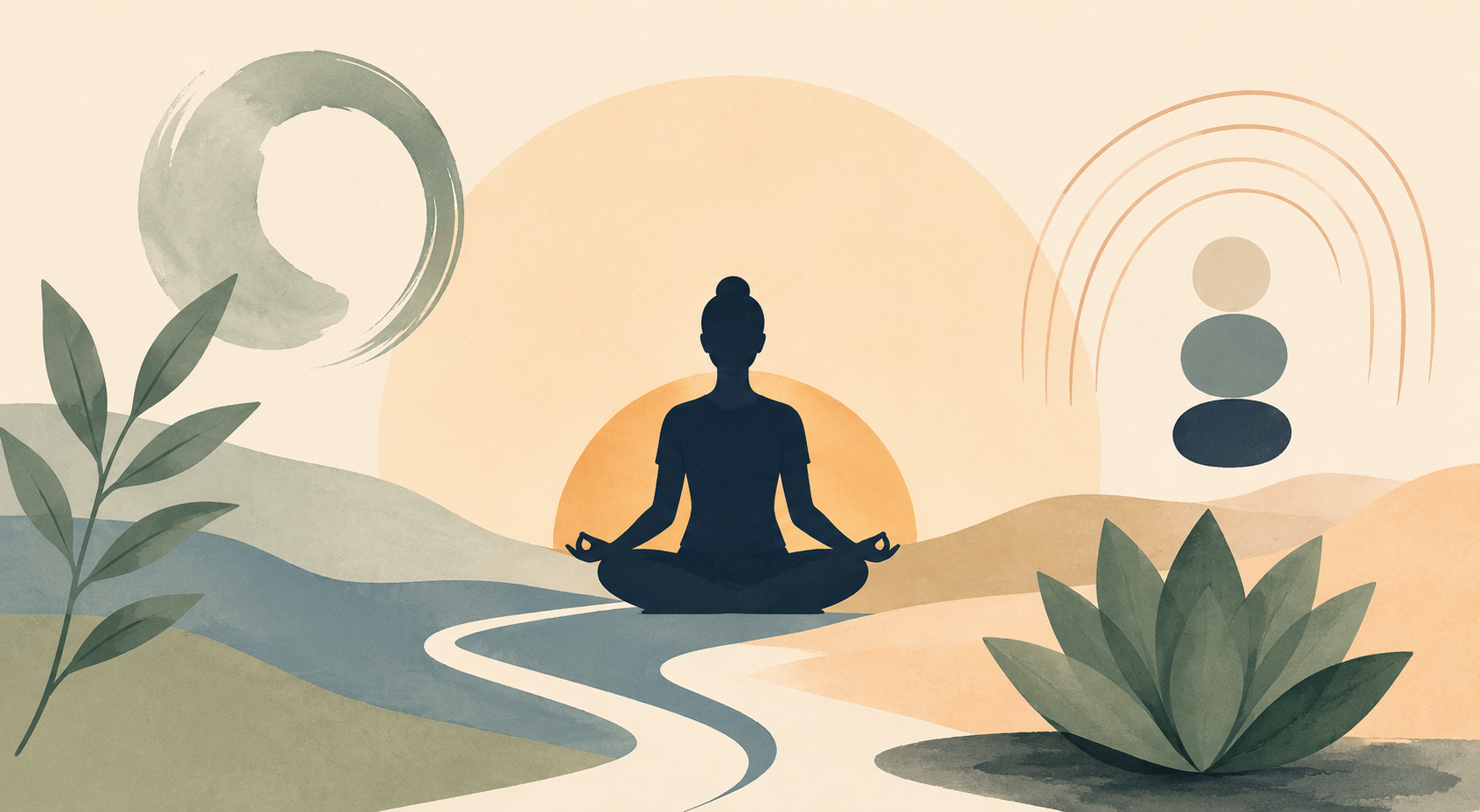
Wellness from a Western perspective often focuses on individual responsibility and addresses physical, social, and emotional needs as separate areas of care. Globally, however, there are many cultural perspectives on wellness and well-being that are rooted in holistic balance and connection, to community, the environment, Mother Earth, culture, and our ancestors. While Western approaches may emphasize personal responsibility and individual achievement, many cultural traditions understand wellness as treating the body, mind, and spirit as one interconnected and collective system.
As a society, we have often learned to compartmentalize care, viewing fitness, nutrition, mental health, relationships, and spirituality as separate parts of our lives. Instead, we can open our minds, hearts, and souls to a broader understanding of wellness—one that recognizes the powerful connections between the individual, community, culture, environment, and collective well-being. When we begin to see these elements as interconnected rather than separate, wellness can take on a deeper and more meaningful purpose.
As providers in the mental health field, it is especially important to approach wellness through a cultural lens with openness, curiosity, and respect. Practicing cultural humility means recognizing that our own understanding of health and healing is not universal. It asks us to listen, learn, and remain open to traditions, practices, and perspectives that may be unfamiliar to us while honoring the lived experiences of the individuals, families, and communities we serve. By doing so, we can create spaces where people feel seen, respected, and empowered to define wellness in ways that are meaningful to them.
Here are a few ways we can respectfully bring cultural humility into our practice and our daily lives:
The landscape of wellness comes in many shapes and is influenced by our cultures, histories, families, communities, environments, and lived experiences. There is no single path to achieving well-being, and recognizing that diversity allows us to broaden our understanding of what it truly means to be well. By fostering mutual support, collective awareness, cultural consciousness, and genuine curiosity about the experiences of others, we can create approaches to wellness that honor both the individual and the communities to which they belong.
Ultimately, wellness is about more than caring for ourselves, it is also about recognizing the connections that sustain us. When we make room for cultural traditions, community wisdom, and different ways of understanding health and healing, we strengthen our ability to care for one another with greater dignity, respect, and compassion. By honoring the wisdom of those who came before us while remaining open to learning from one another today, we can continue building a more inclusive and connected vision of wellness for everyone.
-Barhaza Franco, Penny Lane Centers


