


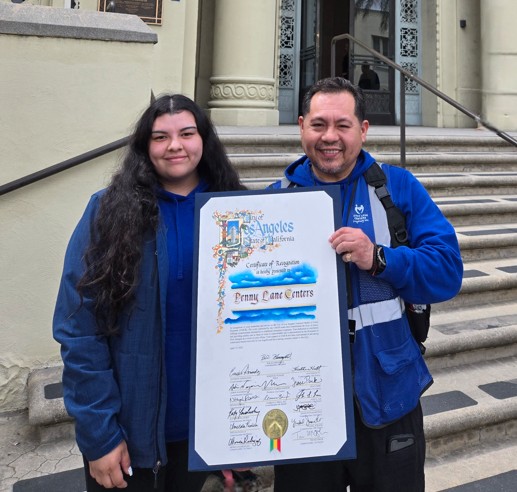
It is with profound sorrow that we share the passing of Ricardo Melendrez, our beloved therapist and colleague at Penny Lane Centers. His loss has left a deep hole in our hearts. While we do not yet have additional details to share, what we do know — what we will always know — is the kind of human being Ricardo was: gifted, spiritual, compassionate, and wholly devoted to the people he served.
Ricardo believed deeply in life beyond this one. He carried that belief gently, not as doctrine, but as presence. When he sat with someone, they felt seen. When he listened, they felt understood. When he spoke, it was with intention and care. His work was never transactional. It was relational. He showed up not just as a clinician, but as a soul committed to easing suffering and honoring the humanity in front of him.
Ricardo endured tremendous loss in his own life, including the heartbreaking loss of his child. Yet his grief did not harden him — it deepened him. It expanded his capacity to love, to sit with pain, and to walk beside others in their darkest moments. Many of you know the story of a man in deep despair who felt he had nothing left. Ricardo simply sat beside him for hours. He did not rush. He did not try to fix. He stayed.
And in that sacred stillness, the man finally said, “You understand me.” That was Ricardo’s gift. His presence alone made people feel known.
In his most recent role as a therapist for UMCR, Ricardo fiercely advocated not only for clients but for staff. He wanted those around him to feel supported, valued, and cared for. He brought depth to every conversation, warmth to every interaction, and intention to every decision. He reminded us — through action, not words — that healing often begins with simply staying.
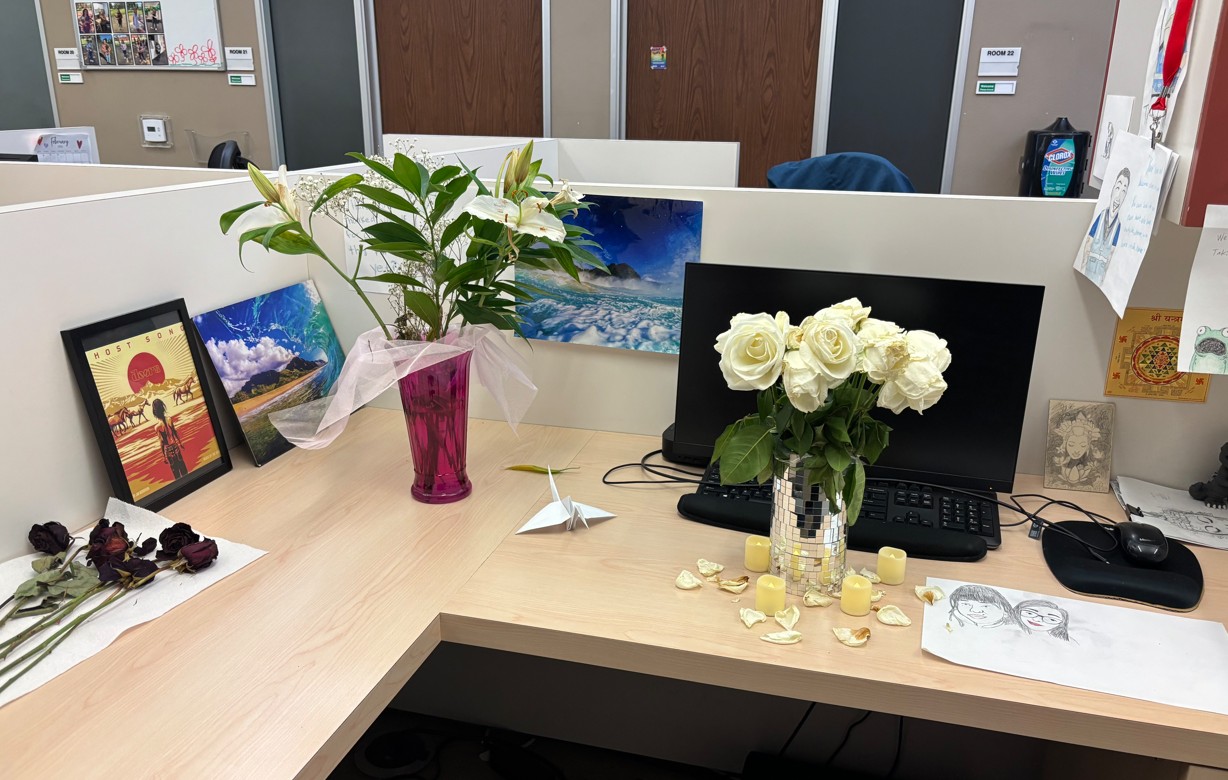
As we wait to receive information from his family about services, we ask that we hold one another closely. Especially our UMCR colleagues who worked so intimately alongside him. Check in. Sit beside one another the way Ricardo would have. Make space for grief. Make space for silence. Make space for love.
We believe, as Ricardo did, that light continues beyond what we can see. We trust that he is at peace — safe, loved, and living in that light. But here, in this moment, we grieve. And we grieve together.
In mental health, we are trained extensively.
We learn theories.
We master diagnoses.
We develop treatment plans.
We measure progress.
We align interventions with outcomes.
We are taught how to stabilize, how to assess risk, how to document, how to implement evidence-based practices. We are trained to focus on client goals, stability, and measurable improvement.
But there is something our training rarely prepares us for: What to do when we lose a client.
When a client passes away, whether due to suicide, medical complications, violence, or circumstances beyond our control, the professional in us immediately begins reviewing the clinical file in our mind.
We are outcome-driven professionals. So, when the outcome is loss, self-examination often becomes self-doubt.
Yet here is the truth we must anchor ourselves in:
We are not omnipotent.
We are present.
We provide space.
We meet clients where they are.
There are systemic barriers, family dynamics, untreated trauma, social determinants of health, substance use, medical realities, and countless variables beyond our scope of influence. We operate in deeply complex human systems.
Client loss is not automatically clinical failure.
It is often the painful intersection of complexity and circumstance.
And still, it hurts.
It hurts because we care.
It hurts because we build alliance.
It hurts because we witness vulnerability and courage.
In leadership roles especially, there is often an unspoken pressure to stay composed, to manage operations, complete documentation, notify stakeholders, and support teams, all while privately processing grief.
But therapists are human first.
If you are a clinician who has experienced client loss, this is your reminder:
Be kind to yourself.
Hold space for your own grief.
Seek consultation not only for case review, but for emotional containment.
Allow yourself to feel without pathologizing your own response.
Our profession asks us to sit in proximity to despair and hope every single day. That proximity carries weight.
What remains within our control is this:
Being present is powerful, even when we cannot control the ending.
To every therapist who has experienced loss: your care was real. Your presence mattered. And you are allowed to grieve.
With respect and care,


