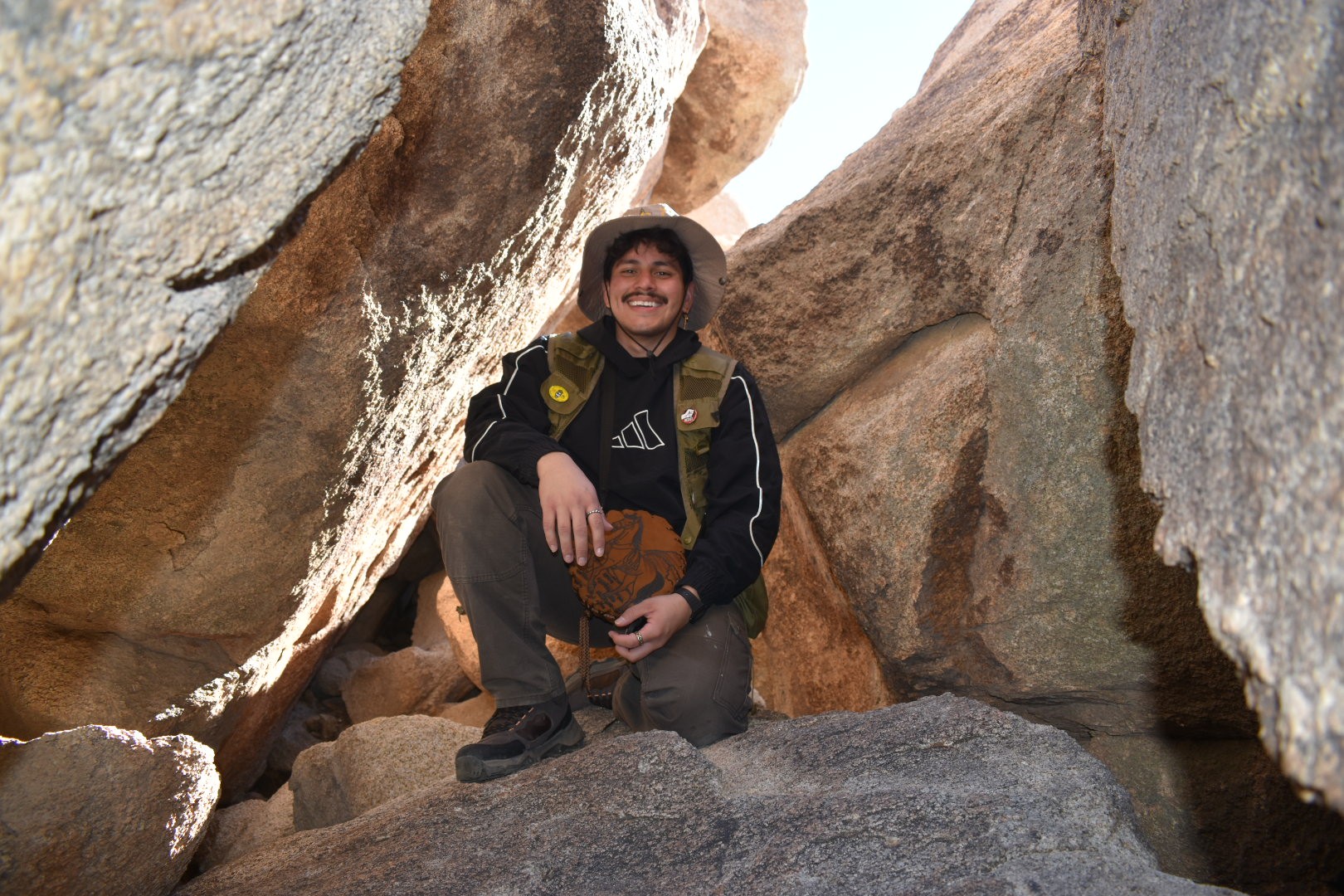
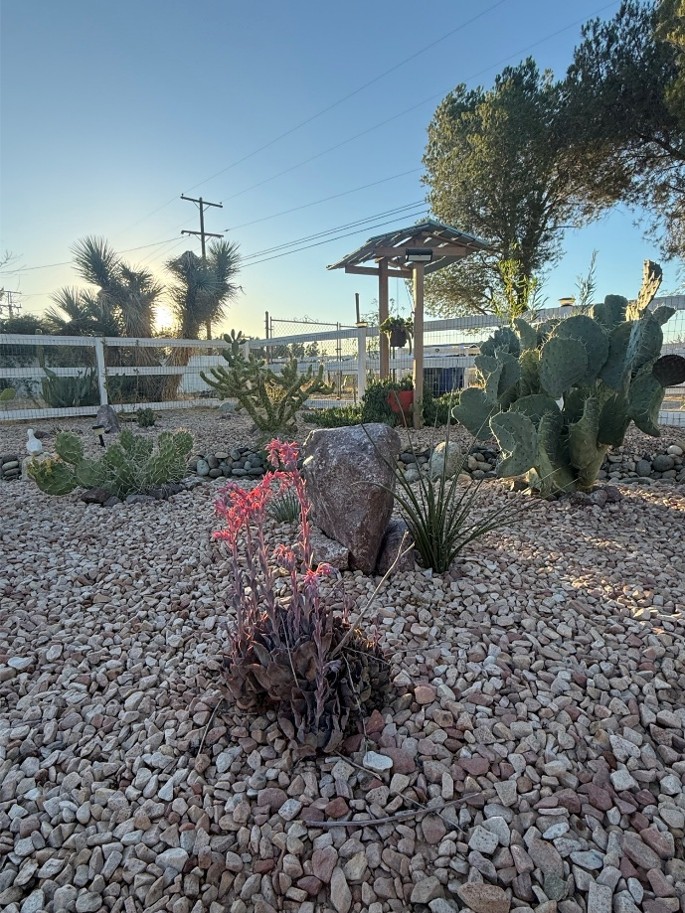
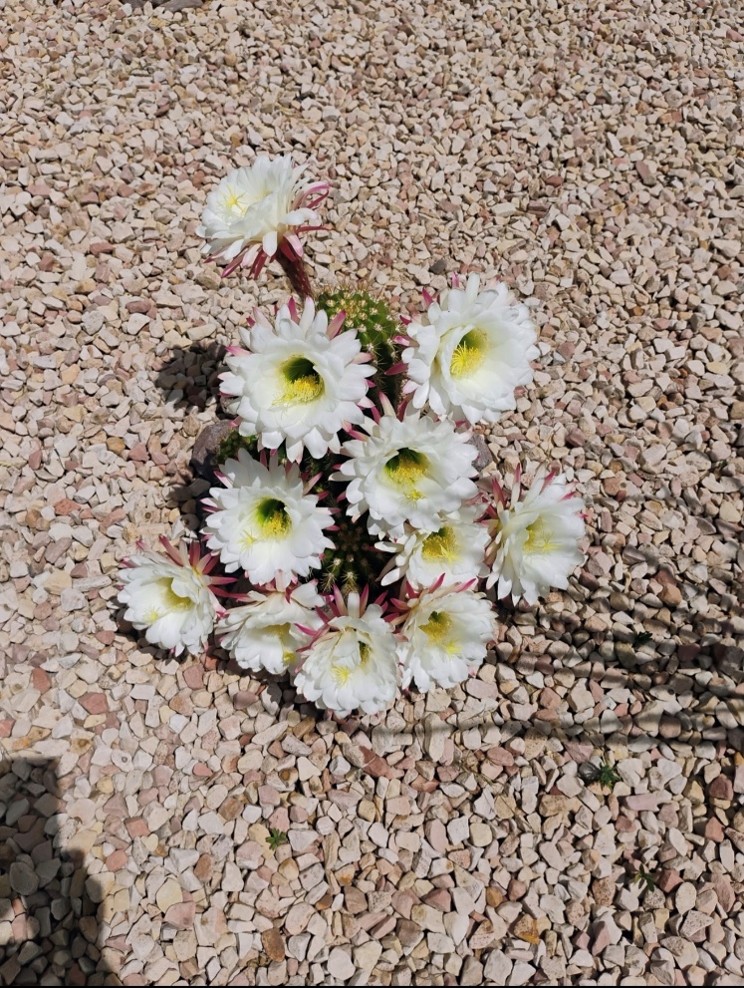
Every Spring and Summer, I can see the progress in my garden. The flowers from hollyhocks radiate in the sunlight hues of purple, red, and yellow. The small buds start to poke out from cactus pads, and I can even start to see possible vegetable plants from the seeds I swore were going to work this year. To take in the sights, smells and feel of my garden keeps me present-minded, no worry about work or personal difficulties even for just a moment. Gardening presents with many benefits for self-care, it keeps us present, reduces stress, and even helps us heal. Last month, our Wellness Corner focused on the general idea of self-care. This month we look at a specific self-care practice, gardening.
If you have ever had the privilege to see the vast forests of the Redwoods in Northern California or the jaw dropping view standing on the edge of the Grand Canyon, you know how nature makes one feel. The effect is immediate; it takes our breath away. The experience of nature is "direct, immediate, and holistic.” (Lorber, 2011). We can only think of what we see, we can only be present-minded. Living in our modern world sometimes our connection to nature is severed. We do not interact with nature on that scale. Gardening serves as a bridge.
Gardening in prior research exists on two ideas fasciation and mystery. Just like in macro scenes of nature, gardening is fascinating. We are emotionally and sensorially drawn as it holds our attention physically, cognitively, and emotionally. While our mind is drawn by its mystery, our imagination runs wild with the possibilities of what will sprout (Lorber,2011). Gardening encourages mindfulness as we must stay present-minded to see progress in our garden. We do not have time to ruminate on what is bothering us. The daily check ins to see a sapling pop through the top layer of soil or the seasonal changes keep us focused on the here and now. The sensory nature of feeling soil, smelling herbs and seeing growing plants reminds us of the here and now. Observation itself keeps us away from the constant rumination of our problems, negative beliefs and worry cycles.
This in turn leads to us being able to regulate our emotions. Gardening activates our parasympathetic nervous system which promotes our ability to feel relaxed and recovered. The repetitive nature of pruning, watering, digging, etc. allows cortisol levels to reduce in our hypothalamic-pituitary-adrenal axis promoting balance and reducing health risks (Van Den Berg & Custers, 2011). Imagine a stressful day, pressures from work, home, school pile up. We have a mix of emotions and instead of running to more maladaptive strategies, we can turn to gardening to provide that grounding that we need to find solutions to our daily troubles. “Viewing nature scenes dominated by vegetation…produce increases in positive feelings; reduce negatively toned or stress-related feelings such as fear, anger, or sadness...” (Lorber, 2011). So how can we cultivate this process?
By understanding gardening as an abstract way the mind can heal, gardening has been utilized within Eye Movement Desensitization and Reprocessing therapy (EMDR) as it mirrors the process. Both build on the idea of mindfulness as a resource to deal with the weeds (past trauma), what needs to be removed, and what should be grown further (positive cognitions) (Lorber,2011). Pulling weeds is an arduous process. Some are deep rooted in the ground, some will hurt due to their stems having spines, and even yet some will leave a lasting hole in where they are removed. Like our deeply rooted negative beliefs and trauma, we must remove the invasive weeds to cultivate a healthier version of ourselves. Francine Shapiro discussed a walk in nature as the breakthrough that led to the process of creating EMDR. As the bilateral stimulation of scanning her eyes through nature led her to desensitize her own negative beliefs, we can utilize the same principle with gardening. The idea of gardening as “nearby nature” aids us in staying grounded and build on our safe spaces so that we can work on weeding out our mental garden. While the process of active gardening, using tools, digging holes and planting serves as its own bilateral stimulation. Therefore, gardening can serve as more than just surface level benefits but begin the process of helping us desensitize our own wounds.
Any avid gardener will tell you that it is great to admire the finished work, but it is a difficult process to begin. Gardening is a constant battle of “try again”. A plant wilted, try more water; another plant wilted, try less water; another just needs a tad bit more sun. The soil might not be right, or a squirrel might be munching on all our season’s work. But like everything involving self-care, the idea is to try.
Whatever your garden looks like, whether it towers above the landscape with California live Oak, burst with activity from hummingbirds taking sips, hanging over windowsills welcoming the morning sun, or is one pot filled to the brim with mint. You can find solace and mental cultivation in its activity. Gardening is open to everybody and as we discussed can be added to our coping strategy tool kit to reduce negative emotions. Just do not be afraid to try. Get dirt under your fingernails, do it with a shovel in hand and seeds in the other. Smell the petrichor after the morning dew and the gentle breeze around you.
Be everything.
Be present.
-Miguel Angel Martinez, Penny Lane Centers
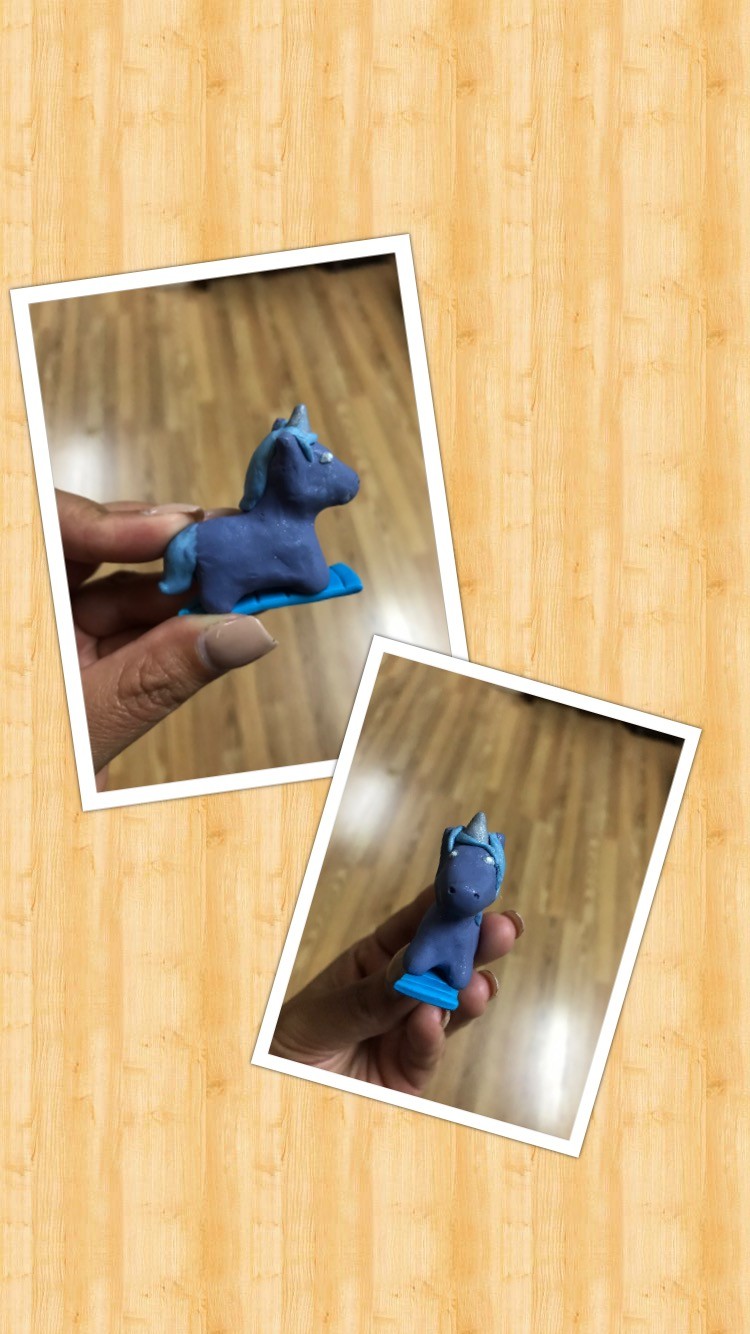
As a Licensed Therapist (LCSW) I often encourage clients, supervisees, and staff to create what I call a "brag box" or "evidence folder"—a collection of reminders of who they are when life feels hard or heavy.
Many social service providers such as social workers, therapists, and case managers spend much their time focusing on what's left to do, mistakes we've made, or ways we believe we have fallen short. The human brain naturally has a negativity bias, meaning we're wired to remember criticism and threats more readily than praise and accomplishments. A “brag box” intentionally counteracts that tendency.

I personally keep cards, certificates, letters of recommendation, testimonials, small gifts from former clients and students, and meaningful mementos from different stages of my life and my career. One that stands out is a small purple and blue, hand crafted, clay unicorn a client made for me. I used to keep it on the dashboard in my car but now I keep it on my desk in my home office. I also flag complimentary emails and messages so I can revisit them during difficult days or moments of self-doubt.
These items serve as evidence—not of perfection—but of impact.
I encourage my clients and staff to do the same.
The format matters less than the habit. Some people prefer a physical box or scrapbook. Others keep a digital folder, Google Drive file, Notes app collection, Pinterest board, or screenshot album on their phone.
The purpose of a brag box is not ego—it's resilience.
I often tell clients: "On your hardest days, borrow evidence from your strongest."
These collections can be especially helpful during periods of burnout, grief, career transitions, imposter syndrome, performance reviews, or job searches. They provide tangible reminders of strengths and accomplishments when our emotions temporarily make them harder to access.
In my work helping others be successful and sane, I view brag boxes as a simple but powerful resilience practice: a way of preserving proof of your impact for the moments when you forget it.
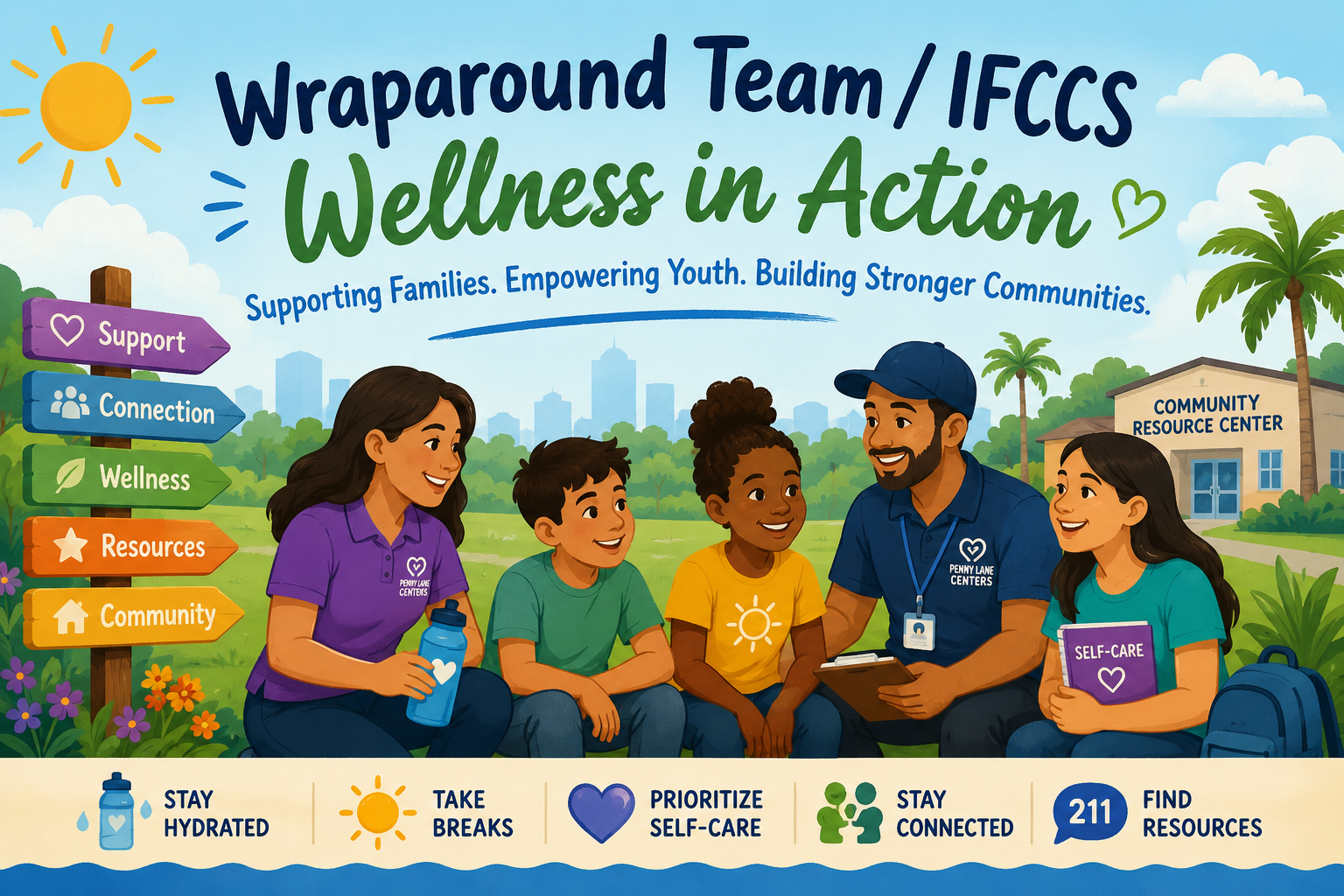
Summer brings unique opportunities—and unique challenges—for many of the families served by Penny Lane Centers' Wraparound Team/IFCCS Program. Throughout the season, the team has remained committed to providing meaningful, individualized support that helps youth stay engaged in enriching activities while easing the day-to-day demands placed on caregivers, particularly those raising children on their own. Through strong collaboration, consistent communication, and a compassionate approach, staff continue to ensure families feel connected, supported, and never alone as they navigate life's challenges.
Youth engagement remains at the heart of the program's work. Summer activities provide structure, positive social connections, and opportunities for learning and growth in safe, welcoming environments. By keeping young people actively involved throughout the summer months, the Wraparound Team/IFCCS helps foster resilience, confidence, and a greater sense of belonging—important building blocks for overall emotional wellness.
Supporting wellness also means caring for the dedicated staff who serve our families every day. Whether meeting with families in the community or traveling throughout Los Angeles County, team members are encouraged to prioritize their own well-being by staying hydrated, taking breaks during hot weather, and remaining mindful of their physical and mental health. When staff take care of themselves, they are better equipped to provide the attentive, high-quality care that families rely on.
The team also recognizes that wellness extends beyond the services they provide directly. Families are regularly connected with valuable community resources, including local cooling centers, libraries, and essential support services through LA County 211 for housing, food, healthcare, and other basic needs. By strengthening these connections and working together as a team, the Wraparound Team/IFCCS continues to promote healthier, stronger families and communities—demonstrating that wellness is built through compassion, consistency, and meaningful relationships every day.
A special thank you goes to the Commerce Wraparound Team/IFCCS staff for their dedication, teamwork, and unwavering commitment to supporting youth and families all summer long.